Tidepools in Marin — Duxbury Reef and McClures Beach
Duxbury Reef in Bolinas is one of the largest intertidal shale reefs in North America. McClures Beach in Point Reyes has tide pools tucked into a cove with dramatic surf. Both require a low tide and careful timing — check the NOAA tables before you go.
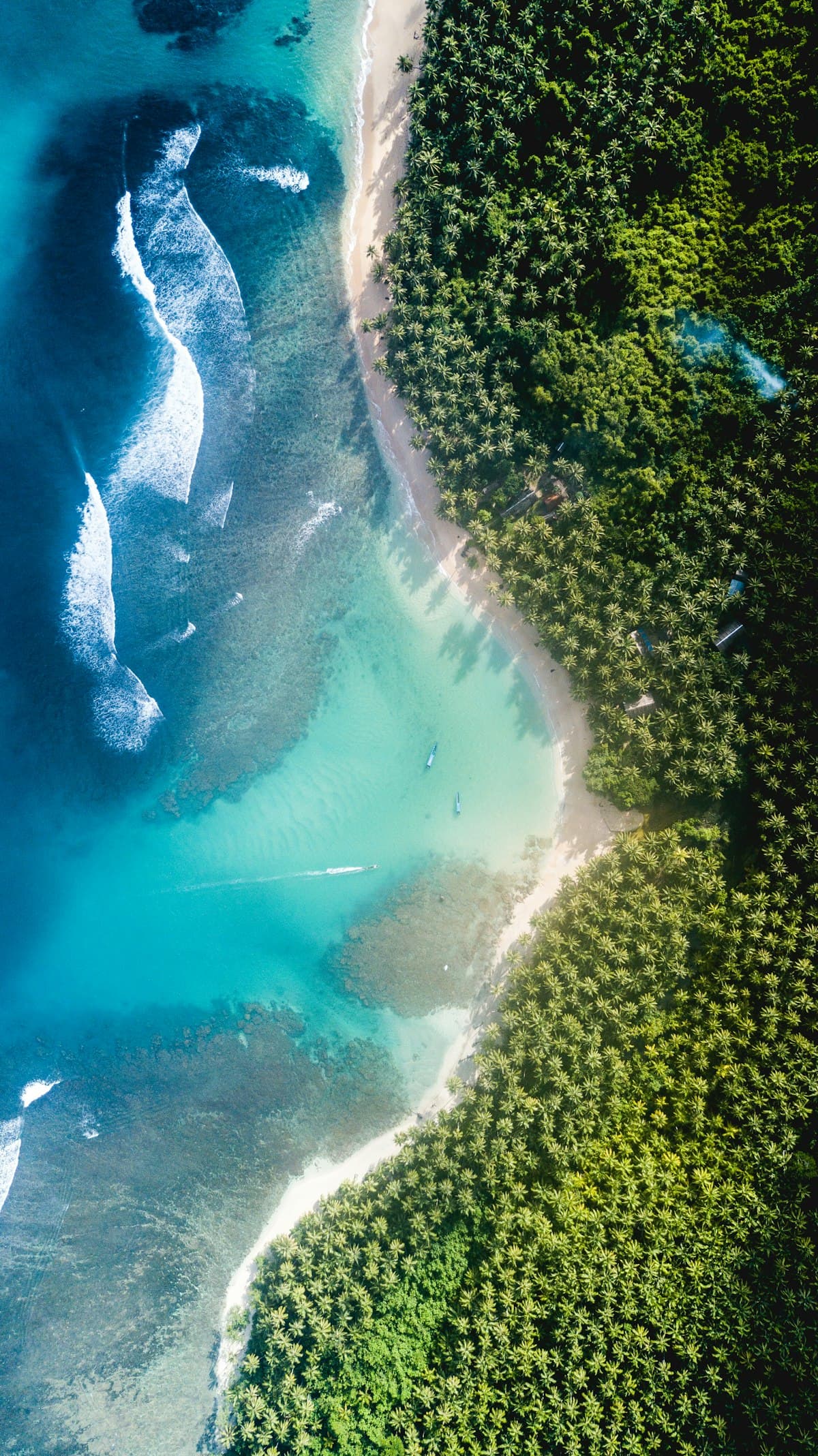
Duxbury Reef in Bolinas is one of the largest intertidal shale reefs in North America. At low tide, the rock fractures and channels fill with anemones, hermit crabs, ochre sea stars, and turban snails. You reach it from Agate Beach County Park, at the end of Elm Road. McClures Beach in Point Reyes is a short, steep hike down to a cove backed by rocky cliffs, with tide pools scattered among the boulders at the north end. Both require you to check the tides before you leave — Duxbury is barely visible at high water, and McClures can trap you against the cliffs if the tide turns. No collecting at Duxbury; it is a State Marine Conservation Area.
NOAA tide predictionsDuxbury Reef MPA rulesMcClures Beach — NPS
Bolinas
Duxbury Reef at Agate Beach
The reef extends nearly two miles from shore at low tide. You reach it from Agate Beach County Park, at the end of Elm Road in Bolinas. Parking is free but limited — maybe 15 to 20 spots — and fills early on weekends. Duxbury is a State Marine Conservation Area: you cannot collect rocks, shells, seaweed, or any marine life. Walk gently, stay off the algae mats, and watch the tide.
Point Reyes
McClures Beach
A 0.4-mile trail drops steeply into a cove backed by rocky cliffs at the north end of Point Reyes. The surf is rough — this is not a swimming beach — and sneaker waves are real. Check the tide before you go: the cliffs can cut off your exit. Pets are not allowed. The parking lot holds about 25 cars and fills by mid-morning on busy days. Allow 35 minutes from Bear Valley Visitor Center.